
As he had promised during his campaign, Colombian President Abelardo de la Espriella confirmed the end of his predecessor Gustavo Petro’s failed “total peace” policy. In recent years, armed groups and criminal gangs have proliferated, while peace talks have failed to yield results. But victims of the conflict and demobilized former guerrillas fear that the gains made under the 2016 agreement will be lost.

Rescue crews from around the world are continuing to dig through the rubble as more strong aftershocks hampered their efforts in Venezuela. It's an ever increasingly desperate search because the chances of finding anyone alive are diminishing rapidly. At least seventeen hundred people are known to have died but with around 50,000 still thought to be missing, the agony for waiting families all too often becomes the agony of grief. Dan Rivers' eyewitness report contains scenes of human anguish.

Aid agencies say that after an earthquake, the first 72 hours are critical to saving lives, although this window can be longer if those trapped have access to food and water. Rescue efforts continued on Sunday, with tens of thousands still believed to be missing. As of Saturday morning, families had reported at least 68,900 people unaccounted for. Venezuelan officials said 17 flights carrying more than 1,600 rescue personnel had arrived by that point. I

LINK TO THE ARTICLE
ITV News has seen the remarkable efforts of survivors scrambling to dig out their loved ones and neighbours, often with their bare hands and rudimentary tools. But our team has also seen the failure of the Venezuelan government to get a grip on the crisis. Police officers have been caught looting ruined homes, officials have been slow in their reactions, aid agencies have been bogged down in red tape, and soldiers have been deployed to manage traffic, not dig out survivors.

A major international appeal was launched today on behalf of the victims of the Venezuelan earthquake disaster. The appeal was accompanied by a warning from the UN about the extreme pressure now faced by hospitals struggling to cope in the stricken country. On the ground, desperate rescue efforts continue, including attempts to reach a man buried beneath a collapsed car park.
LINK TO THE ARTICLE

Luego de que Estados Unidos depusiera al presidente de Venezuela, Nicolás Maduro, los venezolanos se debaten entre la esperanza de que se acabe un régimen totalitario que los ha reprimido por años y la incertidumbre de qué pasará si el gobierno de Donald Trump asume el control que dice que tendrá.

After US strikes on Venezuela and the capture of Venezuelan leader Nicolás Maduro, Colombia has deployed a heavy military presence to the border of Colombia and Venezuela. CNN’s David Culver reports from Cúcuta, Colombia.

The people of Boyacá, in central Colombia, still bear the stigma of the so-called ‘green wars’ that ended with a peace agreement in 1990. The town has distanced itself from the crimes linked to the precious stone trade, and these days a group of miners and artisans are exploring their business through social media while promoting tourism in the region. - El Pais - Link to the article

Silent sewing machines, computers shut down, a vocational school in Colombia to help migrants gain employment abruptly shuttered after President Donald Trump froze US foreign aid in January. CNN’s Stefano Pozzebon spoke to several migrants whose futures now lay uncertain after political decisions made more than 2,400 miles away. CNN INTERNATIONAL Link to the article

You may think coffee or salsa dancing when you think of Colombia, but with Valentine's Day around the corner, lovers beware that threats of tariff hikes from US President Donald Trump could put the country's lesser known but vibrant floral industry at risk of collapsing.
For CNN International

This piece ties together why this election holds enormous consequences for everyone in the Americas.
For CNN International

Link to the Article
Bogotá rations water. For CNN International.
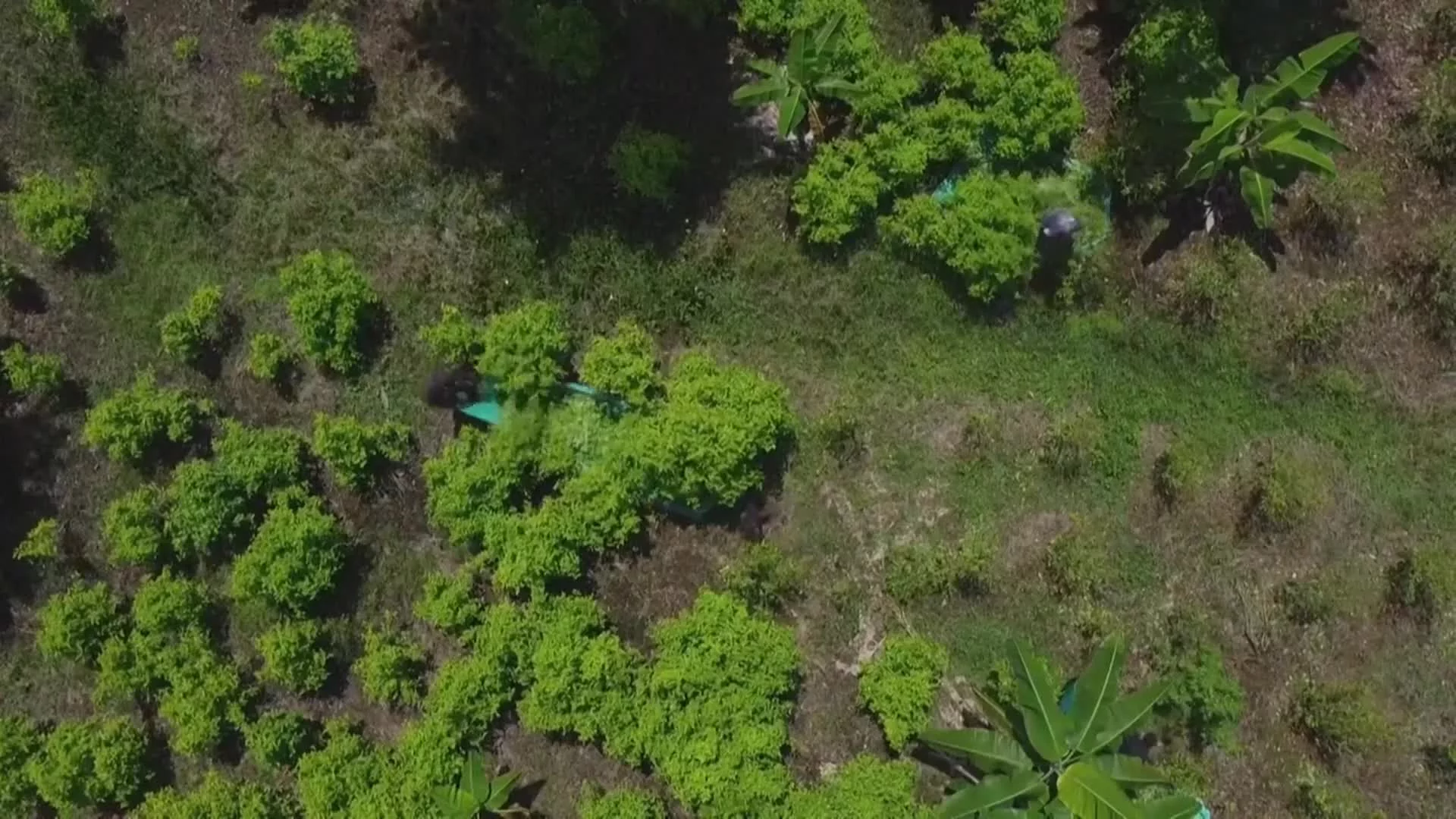
Since the drug traffickers vanished, Carlos can't find anyone to buy the lumps of coca paste that pile up in his house at a good price. In the past, he would have received a lot of money for them, but an unsuspected downturn in the drug economy has these farmers in Colombia in crisis.
Link to the article.

Gasoline is one of the main ingredients for processing cocaine in Colombia. But as fuel prices increase, some locals are stealing crude oil to make bootleg gasoline known as pategrillo. Now, police are trying to find and destroy the illegal labs in an effort to curb the country's decades-long cocaine problem.
Link to the article

De las 46 muertes verificadas por la ONU durante el estallido social de 2021, en al menos 28 los responsables serían agentes de la Policía. Las familias de las víctimas lamentan que no hay avances en las investigaciones sobre los abusos de la policía.

Anger over a controversial tax increase sparked a protest movement against police violence in Colombia. Weeks of demonstrations and clashes with police have left more than 42 dead and some police stations vandalized. For an activist, it is about defending the right to protest, while for a police officer it is about finding a solution. Stefano Pozzebon reports from Bogotá.
Link to the article

Colombia es el país del mundo donde más líderes sociales han sido asesinados en los últimos años. Desde octubre de 2016, cuando la guerrilla de las Farc se desmovilizó, hasta hoy, los grupos armados han matado a 1287 líderes sociales, más de uno cada dos días, según las bases de datos de la ONG Indepaz.

Known for its decades-long fight against drug trafficking, Colombia is beginning to turn a corner by turning its attention to marijuana for medical purposes.

Luis Díaz's father showed CNN the place where his son learned to play soccer in his hometown of Barrancas.
Link to the article

After notorious drug lord Pablo Escobar died in 1993, his zoo's hippos were left unattended and began reproducing around the Magdalena River in Colombia.